
Investing a little time in preventative maintenance helps to ensure your refrigeration equipment operates at peak performance while also saving your business time and money.
Commercial Fridge Maintenance Guide: Preventative Care for Kitchens


Benefits of caring for your refrigeration equipment

Fewer Breakdowns
Regular care prevents avoidable faults that disrupt service and slow the kitchen down.

Reduced Running Costs
Efficient equipment uses less energy, wastes less food, and avoids expensive emergency repairs.

Longer Equipment Lifespan
Proper care protects valuable assets and delays costly replacements.

Improved Food Hygiene
Well‑maintained equipment preserves food safely, helping to ensure every dish meets the same standard.
Keeping your machine clean
A clean fridge is vital for food safety. Keeping it sanitised prevents contamination and ensures the food you store remains safe to serve. Without a proper cleaning routine, you risk food contamination, bacterial growth, and food poisoning.
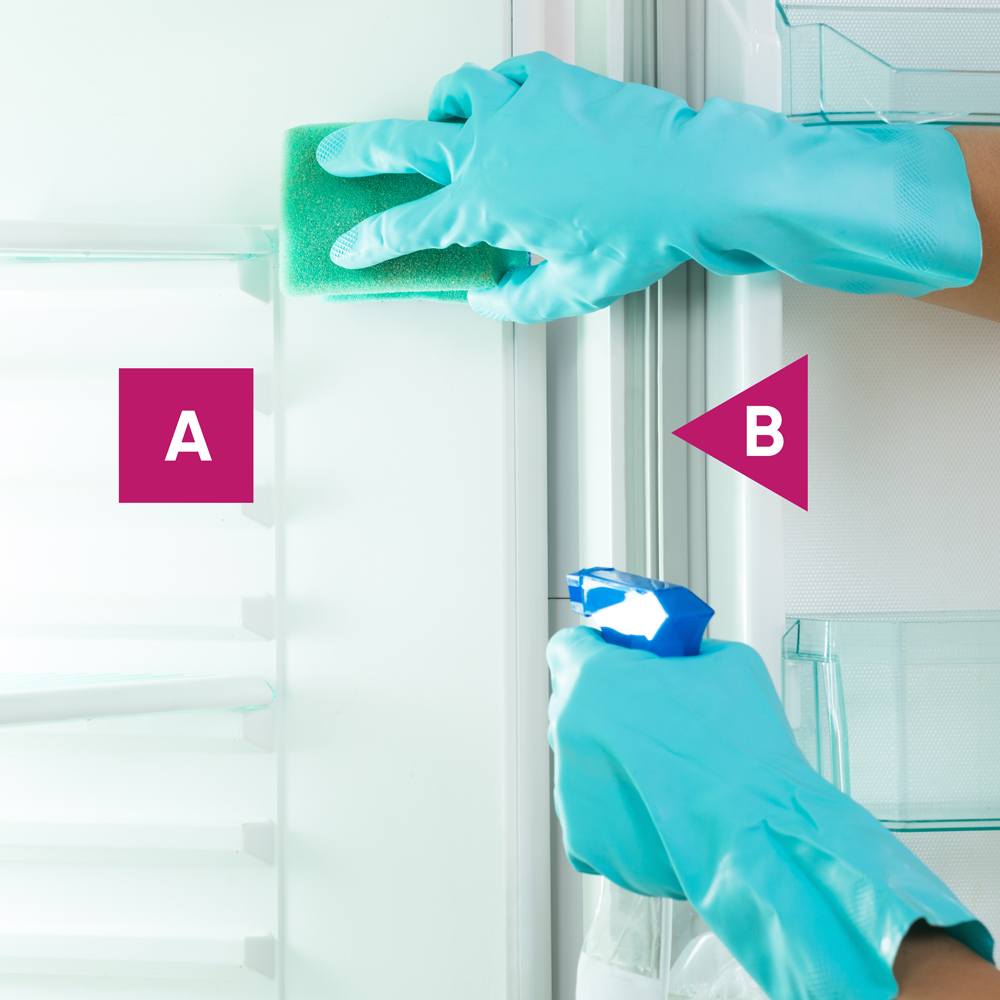
A: Clean the interior
This should be done either weekly or biweekly.
Remove and wash:
Take out all shelves and clean them in warm, soapy water.
Wipe the interior:
Clean the inside walls using a cloth and disinfectant.
Dry and replace shelves:
Let everything dry completely before putting the shelves back in.
B: Clean the seals
The rubber door seals keep cold air inside the fridge and prevent warm kitchen air from entering. A compromised seal forces the refrigerator to work harder, wasting energy and increasing utility bills.
Wipe the seals daily with warm, soapy water. Avoid harsh chemicals like bleach, which can dry out the rubber and cause it to crack.
Wipe down the exterior
The outside of your refrigerator is a high-touch surface prone to collecting germs. Use a soft cloth or brush paired with a disinfectant to thoroughly wipe it down. Don’t forget to clean the surrounding countertops and mop the floor around and underneath the appliance.
Best Working Processes
To keep your commercial refrigerator running efficiently, preventing costly breakdowns and high energy bills, ensure your kitchen team follows these essential operational steps:
Keep the doors closed as much as possible
If you leave a refrigerator door open for long periods (rather than the usual opening and closing) you will be wasting electricity and putting a great deal of additional strain on the refrigerator motor and condenser.
Let food cool before storing
Placing hot food directly into the fridge causes a temperature spike and creates condensation. This forces the refrigerator to work harder to bring the temperature back down, wasting energy and putting unnecessary stress on the system.
Position correctly
Failing to maintain proper clearance around your commercial refrigerator can significantly compromise its cooling performance. It can also drastically shorten the equipment’s lifespan, and potentially void your manufacturer’s warranty. Unlike residential units, commercial refrigeration systems are designed to operate under intense heat loads and demanding kitchen environments. Keeping the recommended clearance zones entirely free of obstructions is vital for optimal heat rejection, energy efficiency, and preventing costly compressor failures.
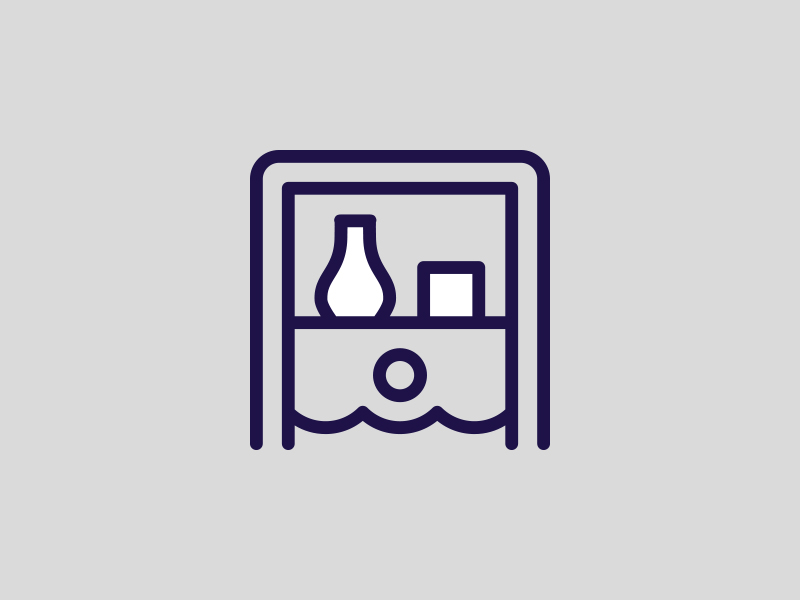
Don’t overload fridge
Avoid overfilling your refrigerator to ensure proper airflow and a consistent internal temperature.
Blocking the air vents forces the system to work significantly harder, reducing efficiency and compromising lifespan.
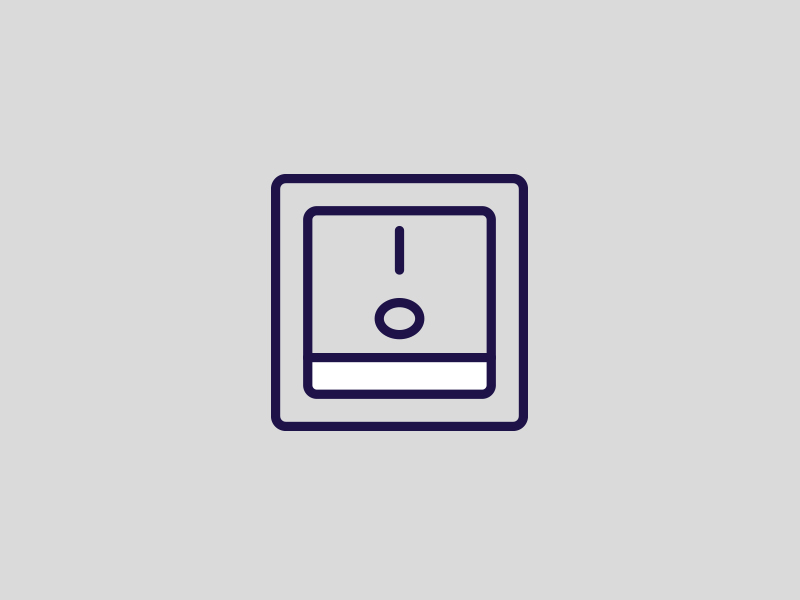
Don’t turn off by accident
Due to the limited number of power sockets in some kitchens, refrigeration can often be turned off by accident. You only have a limited time to save perishables once a mistake is made.
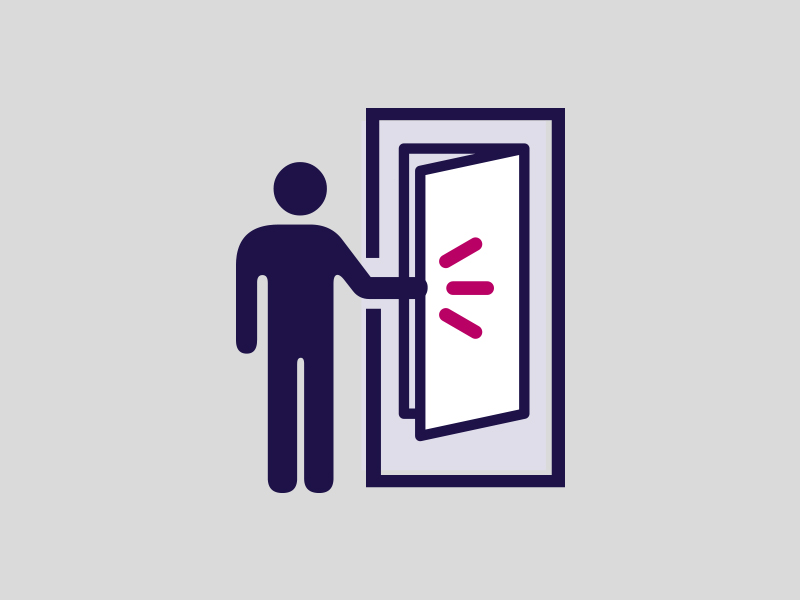
Don’t slam doors
Slamming a door can damage door hinges, shatter glass panels and degrade rubber gaskets. These broken or misaligned seals allow cold air to escape and warm air to enter, which spikes your energy consumption and forces the compressor to work overtime.

Got a problem with your refrigeration equipment?
It happens to us all. For any restaurant equipment disaster from a gas leak to malfunction of vital equipment; we will be with you as soon as possible to get your kitchen equipment up and running again.