
How the FIFA World Cup is reinvigorating London’s hospitality sector
The World Cup is arriving this Summer, just in time to give London’s hospitality sector a much-needed shot in the arm. Business owners hope a wave of fan optimism will translate into a major boost for the capital’s pubs, bars, restaurants, and nightclubs. After a brutal start to the year, fueled by high inflation, rising staff costs, and the cost-of-living crisis, the summer games could be the turning point the industry desperately needs.
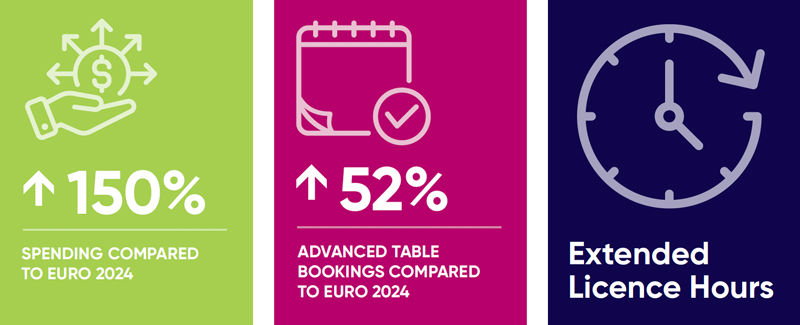
1. Surge in Spending and Footfall
The tournament is triggering an increase in consumer spending. Industry data from Access Hospitality and DesignMyNight predicts that total UK venue spending during the tournament will surge by more than 150% compared to Euro 2024.
- Historically, major tournaments have seen London bars net up to £30 million in a single day during crucial matches.
- Venues are seeing a booking increase of 30% to 40%, which is already up over 52% compared to the 2024 Euros.
- The UK government has approved extended licensing hours, allowing venues to stay open until 1am for knockout matches, and up to 2am for 10pm kick-offs.
Because matches run into the early hours, London’s traditional nightclubs and late-night music venues are capitalising on the tournament by hosting large-scale screenings, finding a lucrative revenue stream during hours they might otherwise be empty.

2. Reliable Bookings
Football fans are exceptionally reliable customers for London business owners.
Guaranteed Footfall:
World Cup match bookings have a historically low no-show rate
Longer Dwell Times & Higher Spend:
Fans don’t just buy a quick drink; nearly a third of guests book for a minimum of three hours, and pre-booked tables yield an incredibly high average spend of £133.44 per visit.
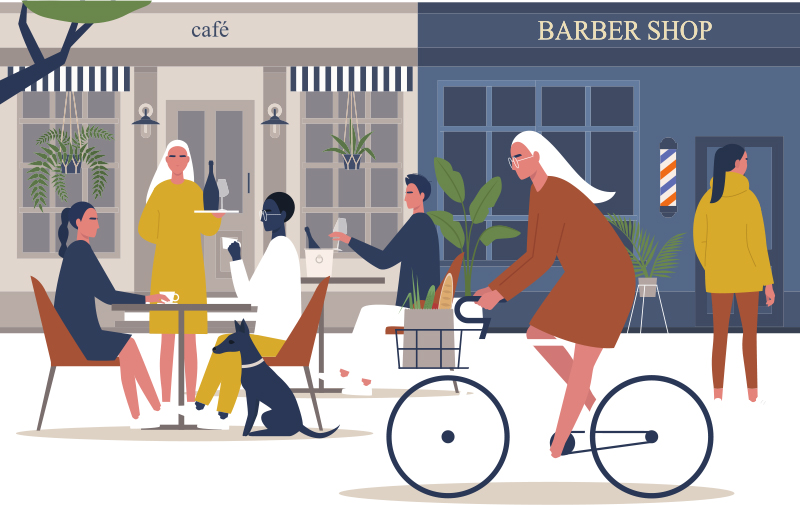
3. Expansion of “Al Fresco” and Outdoor Dining
To maximize the summer weather and accommodate massive crowds, the Mayor of London reintroduced the £400,000 Summer Streets fund. This scheme grants funding to local councils (such as Westminster, Lambeth, and Hackney) to pedestrianize high streets and create vibrant, open-air dining and social spaces. This has allowed bars and cafés to drastically increase their seating capacity and capture extra footfall from fans wanting a festival-like atmosphere.
4. London’s Multicultural Population
London’s strength during a World Cup is its diversity. Because the capital is home to a numerous communities from South America, Europe, Africa, and Asia, venues aren’t just relying on England matches to fill seats. Every high-profile game becomes a cultural event, ensuring a steady stream of revenue across the entire six-week tournament rather than just on home-nation matchdays.
